Featured Free Weight & Fitness Equipment Supply SKUs
Explore our factory-direct catalog engineered for commercial gym chains, brand owners, and global sports equipment importers.
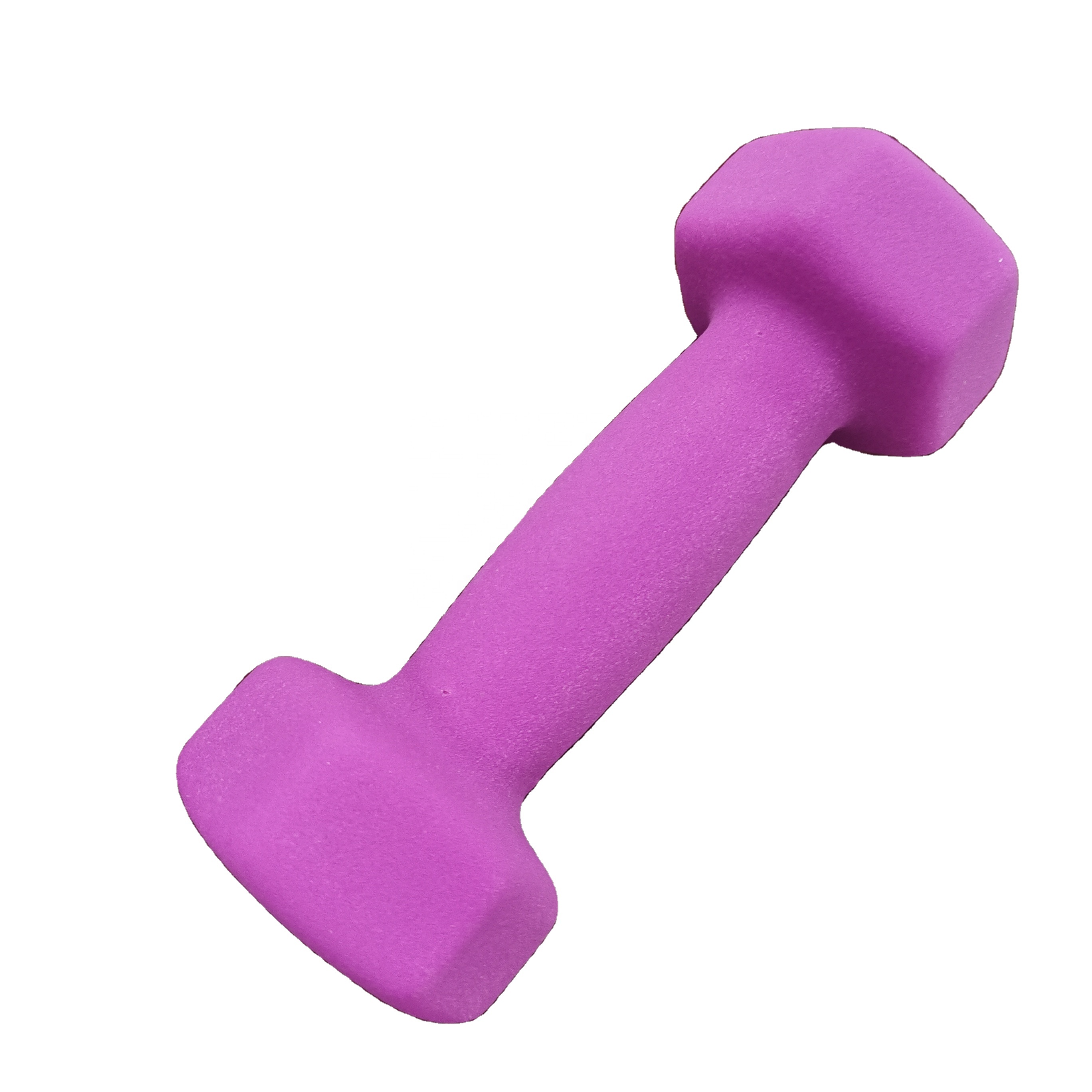
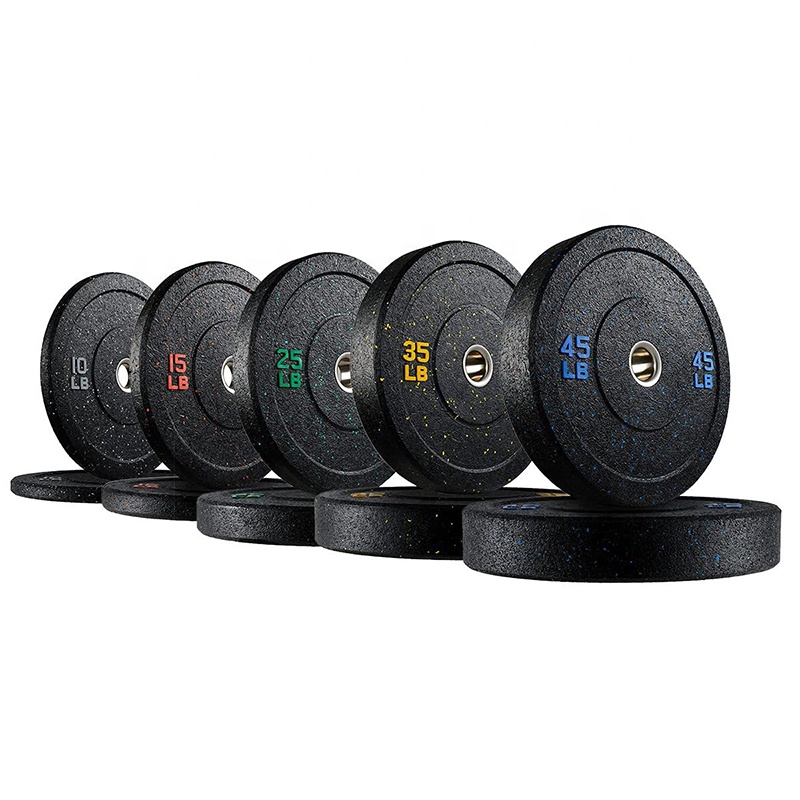


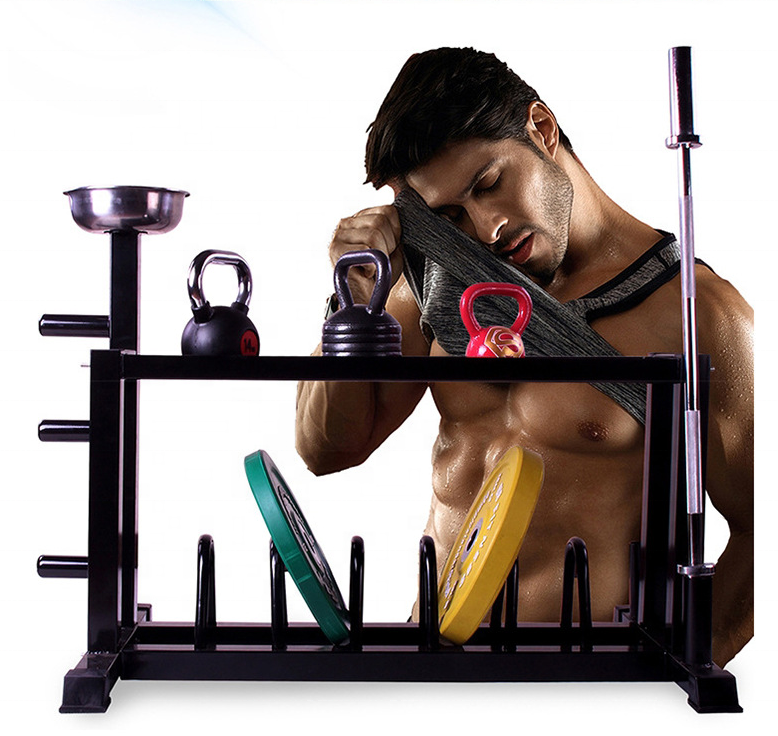
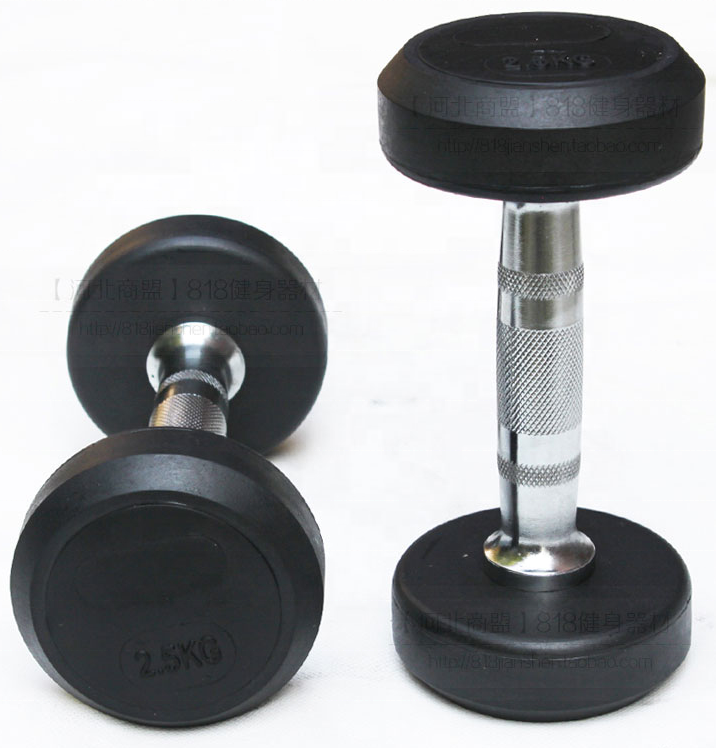
Executive Sourcing Analysis: The Landscape of China Rubber Weight Plate Manufacturing
The global commercial strength equipment and free-weight manufacturing ecosystem relies heavily on specialized industrial clusters located in mainland China. Among these, the Hebei Province Foundry & Elastomer Hub (specifically Dingzhou and Baoding manufacturing districts) represents the highest concentration of high-tonnage vulcanization presses, cast iron foundries, and automated surface-finishing facilities worldwide.
For international procurement directors, sports equipment brand managers, and commercial gym franchise buyers, selecting the right China rubber weight plate manufacturer involves far more than comparing per-kilogram FOB rates. True total cost of ownership (TCO) is dictated by compounding elastomer integrity, Shore A durometer consistency, core-to-rubber bonding mechanics, VOC odor mitigation, and strict dimensional tolerances for 50.4mm Olympic sleeves.
In this technical white paper, senior manufacturing engineers from Dingzhou Zeero Sports Goods Co., Ltd. examine the critical engineering parameters, material compounding science, quality verification protocols, and future supply chain trends that determine long-term commercial success in the global strength training hardware market.
Material Engineering: Elastomer Compounding & Vulcanization Dynamics
The mechanical performance of a bumper plate or rubber-coated weight plate during impact dispersion is governed directly by its polymer chemistry and vulcanization recipe. Sourcing managers must understand the three primary elastomer categories utilized in modern weight plate manufacturing:
1. Virgin Natural Rubber (NR) Formulations
Derived from harvested latex, natural rubber compounds exhibit superior tensile strength (exceeding 18 MPa) and extraordinary elastic memory. When formulated with high-grade carbon black reinforcing agents and cured under 1,000-ton hydraulic compression, Virgin NR plates yield a Shore A durometer hardness rating of 88 to 92. This elevated hardness creates a low-bounce, high-density plate capable of absorbing deadlift and Olympic drop impacts without transferring excessive kinetic energy to gym subflooring.
2. Styrene-Butadiene Rubber (SBR) & Reclaimed Blends
SBR is a synthetic elastomer widely utilized in economical commercial plates and home-gym weight sets. While budget-friendly, unrefined SBR formulations with high recycled content often emit volatile organic compounds (VOCs) that produce a strong chemical off-gassing odor. Leading tier-1 China exporters utilize desulfurized, non-toxic bio-deodorized SBR blends that strictly comply with European Union REACH Regulation (EC) No 1907/2006 regarding Polycyclic Aromatic Hydrocarbons (PAHs).
3. Cast Polyurethane (CPU) & Thermoplastic Polyurethane (TPU)
Polyurethane represents the pinnacle of commercial strength plate engineering. Unlike vulcanized rubber, CPU is liquid-cast over precision-machined steel hubs. CPU weight plates demonstrate zero chemical odor, exceptional tear strength (>50 kN/m), and virtually indestructible abrasion resistance. However, tooling and raw material costs are approximately 2.5x to 3x higher than standard rubber bumper plates.
| Elastomer Type | Shore A Hardness | Drop Impact Rating | VOC / Odor Level | Target Sourcing Application |
|---|---|---|---|---|
| Virgin Natural Rubber (NR) | 88 - 92 Shore A | 30,000+ Drops | Ultra-Low / Odorless | Commercial Cross-Training, Competition Olympic Lifting |
| Reclaimed / SBR Rubber Blend | 75 - 82 Shore A | 8,000 - 12,000 Drops | Moderate to High (Unless Treated) | Home Gyms, Retail Packs, Budget Commercial Studios |
| Crumb Rubber (Recycled Tire) | 70 - 78 Shore A | 20,000+ Drops (High Bounce) | Low (Uncured Latex Feel) | Outdoor Tactical Training, Military Functional Zones |
| Cast Polyurethane (CPU) | 95 Shore A / Scale D | 50,000+ Drops | Zero VOC Off-Gassing | Luxury Commercial Gyms, Universities, Professional Sports |
Hub Metallurgy & Insert Bonding Integrity
The primary point of structural failure in rubber weight plates under heavy commercial usage occurs at the interface between the central steel sleeve and the surrounding rubber matrix. Standard Olympic bars feature a sleeve diameter of 50.0mm to 50.4mm. When plates are repeatedly dropped from overhead heights exceeding 2.2 meters, shear stress concentrates directly on the inner hub insert.
Dual-Anchor Mechanical Locking
Zeero Sports engineers precision-machined 304 stainless steel and chrome-plated brass inserts engineered with circumferential anchoring ribs. During high-pressure compression molding, molten rubber flows into pre-cut mechanical locking channels, forming an unbreakable structural bond that prevents hub rotation and lateral separation.
Precision 50.4mm Inner Sleeve Tolerance
Loose center holes cause excessive plate rattle and uneven shaft wear, while tight sleeves bind to barbell sleeves during rapid weight changes. Automated CNC lathe turning ensures inner hub dimensions remain calibrated strictly to 50.4mm ±0.1mm, ensuring effortless loading on all IWF and IPF specification barbells.
Chemlok® Chemical Vulcanization Priming
Prior to elastomer molding, steel inner hubs undergo ultrasonic degreasing, shot-blasting to achieve an Sa 2.5 surface roughness profile, and dual-layer application of Chemlok® chemical vulcanization adhesive. This creates a molecular reaction during vulcanization that fuses metal to rubber at the atomic level.
Enterprise Capabilities: Dingzhou Zeero Sports Goods Co., Ltd.
As an industry-leading manufacturer and verified exporter headquartered in Baoding, Hebei, Dingzhou Zeero Sports Goods Co., Ltd. operates a modern 10,005 square meter integrated manufacturing site. Combining heavy foundry casting operations, precision machining, elastomer compounding, and dynamic automated packaging lines, Zeero Sports supplies high-capacity volume to brand owners across North America, Europe, Australia, and the Middle East.
Core Manufacturing Credentials & Verification Highlights:
- Onsite Third-Party Audit Verification: Fully assessed and audited onsite by SGS Group, validating physical production lines, legal corporate status, export capacity, and QA/QC laboratory equipment.
- Patented Innovation & OEM Customization: Holder of 8 original structural patents for strength equipment, offering full ODM 3D CAD engineering, rapid prototype molding, custom color-matching (Pantone/RAL codes), and raised/laser-engraved custom brand logos.
- Export Volume & Production Scale: Staffed by over 50 highly skilled production technicians and senior quality control engineers, delivering an annual export volume exceeding US$ 2.37 Million across multi-container FCL logistics.
- Comprehensive Quality Control (QC): Every production lot undergoes rigorous finished-product inspection covering weight accuracy (calibrated drop weighing), rubber-to-metal bond adhesion, Shore A durometer hardness, and drop-test fatigue testing.
Require Custom Molded Logo Plates or Private-Label Free Weights?
Partner directly with Hebei's premier OEM/ODM manufacturing factory. We provide customized weight plates, dumbbells, kettlebells, and barbell series tailored to your market specifications.
Send an InquiryFuture Market Trends: Sourcing Innovations for 2025–2030
The global fitness equipment procurement landscape is undergoing rapid evolution driven by environmental regulations, automated manufacturing, and smart gym integration. Sourcing executives must align their product development strategies with these five key trends over the next decade:
1. EU CBAM & Eco-Friendly Elastomer Compounding
With the implementation of the European Union's Carbon Border Adjustment Mechanism (CBAM) and stricter REACH compliance, importers are moving away from traditional aromatic heavy oils and high-emission synthetic rubbers. Future procurement favors bio-based natural rubber elastomers and recycled crumb rubber compounds engineered with odorless, non-blooming vulcanization accelerators.
2. Ultra-Thin Profile "High-Density" Bumper Plates
Commercial powerlifters and functional fitness athletes require maximum weight loading capacity on standard 20kg Olympic bars. Conventional rubber bumpers feature thick profiles that limit bar capacity to approximately 200kg to 220kg. Next-generation bumper plates utilize high-density CPU and micro-porous rubber matrix formulations, reducing plate thickness by 35% and allowing bar loading up to 300kg+.
3. RFID Asset Tracking & Smart Commercial Gym Plates
Large commercial gym chains and equipment rental operators are adopting embedded passive RFID microchips molded directly into the rubber casing. This enables automated inventory management, anti-theft asset tracking, and maintenance cycle monitoring across thousands of franchise fitness facilities globally.
4. Automated Laser Surface Marking & Custom Color Inlays
Traditional painted weight markings tend to chip, peel, or fade under heavy commercial sanitization. Emerging manufacturing lines incorporate dual-injection color molding and high-precision laser etching that permanently fuses weight markings into the elastomer body.
Quality Assurance Protocol: How to Audit & Inspect Rubber Plates
To avoid costly warranty claims, product recalls, or ocean container rejections, international buyers should insist on the following five-step factory pre-shipment inspection standard:
| Inspection Stage | Test Methodology | Acceptable Industry Benchmark | Failure Indicator |
|---|---|---|---|
| 1. Weight Calibration | Precision digital floor scale weighing of 100% finished batch samples. | ±0.5% (Competition) / ±1.5% (Commercial) | Variance exceeding ±2.0% per plate. |
| 2. Drop Fatigue Test | Pneumatic automated drop rig drops plate from 2.2m height onto 20mm rubber. | 10,000 to 30,000 uninterrupted drops | Rubber cracking, sleeve debonding <5,000 drops. |
| 3. Shore A Hardness | Handheld Durometer probe measured at 5 distinct points on plate surface. | 88 - 92 Shore A for minimal bounce | Soft spots below 80 Shore A or uneven curing. |
| 4. VOC / PAHs Chemical Test | Gas Chromatography-Mass Spectrometry (GC-MS) laboratory analysis. | REACH SVHC <1000 ppm / PAHs Category 2 | Pungent chemical odor, heavy metal leaching. |
| 5. Anti-Blooming Visual Check | Thermal chamber storage test at 40°C / 85% RH for 72 hours. | Zero white powdery film (sulfur blooming) | White surface discoloration post-molding. |
Frequently Asked Questions (FAQ) for Global Buyers
Is Dingzhou Zeero Sports Goods Co., Ltd. a factory or a trading supplier?
What are the typical Minimum Order Quantities (MOQ) for custom OEM orders?
How do you prevent rubber off-gassing chemical smell in exported plates?
Can you manufacture plates with custom brand colors, logos, and retail packaging?
How are heavy free weights packaged to prevent damage during FCL/LCL shipping?
What HS Code is used for rubber weight plates and barbells during import customs clearance?
Start Sourcing Factory-Direct Rubber Weight Plates Today
Connect with our senior B2B export specialists for technical consultations, custom mold pricing, sample requests, and ocean freight container quotes.
Send an Inquiry