8 Core Products for Barbell Bar and Strength Training Programs
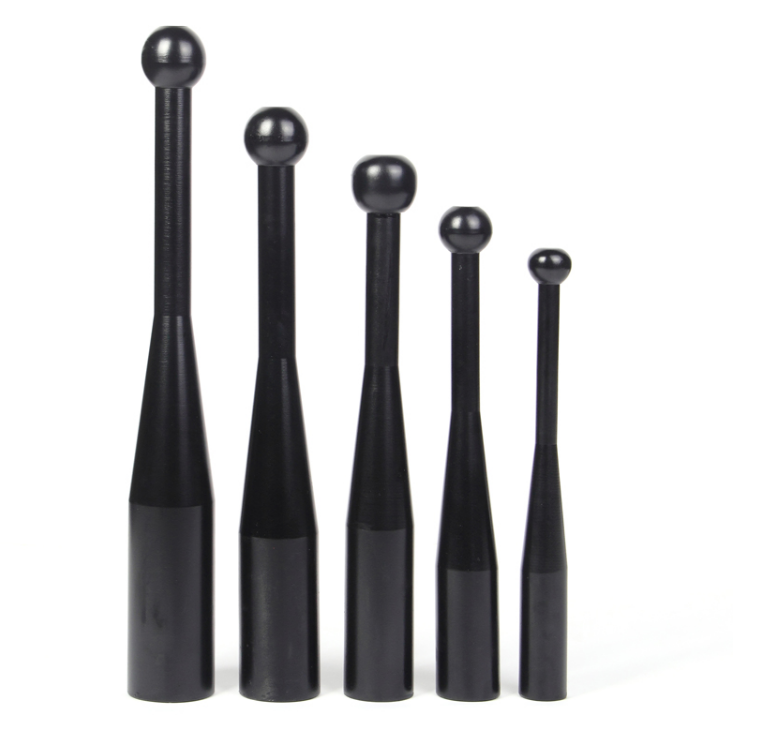
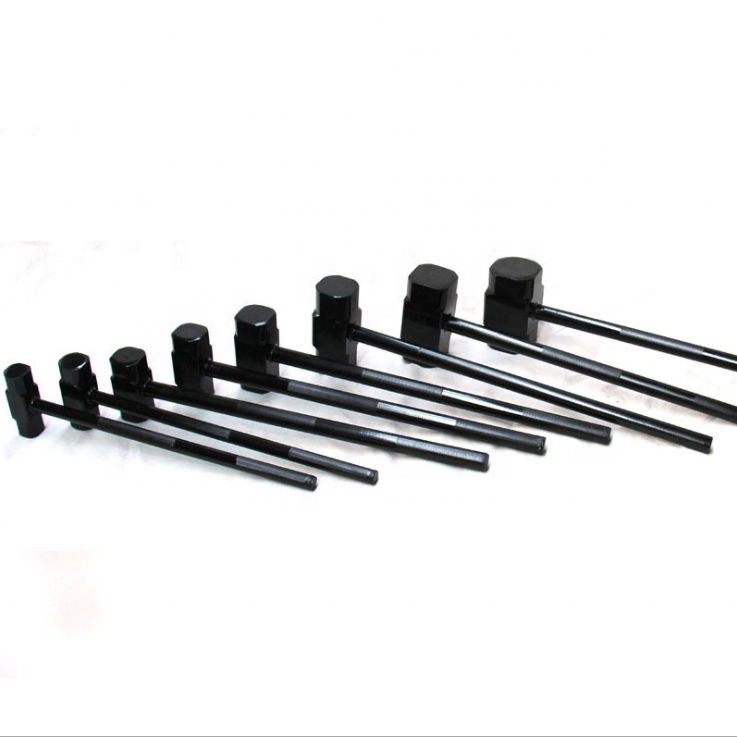
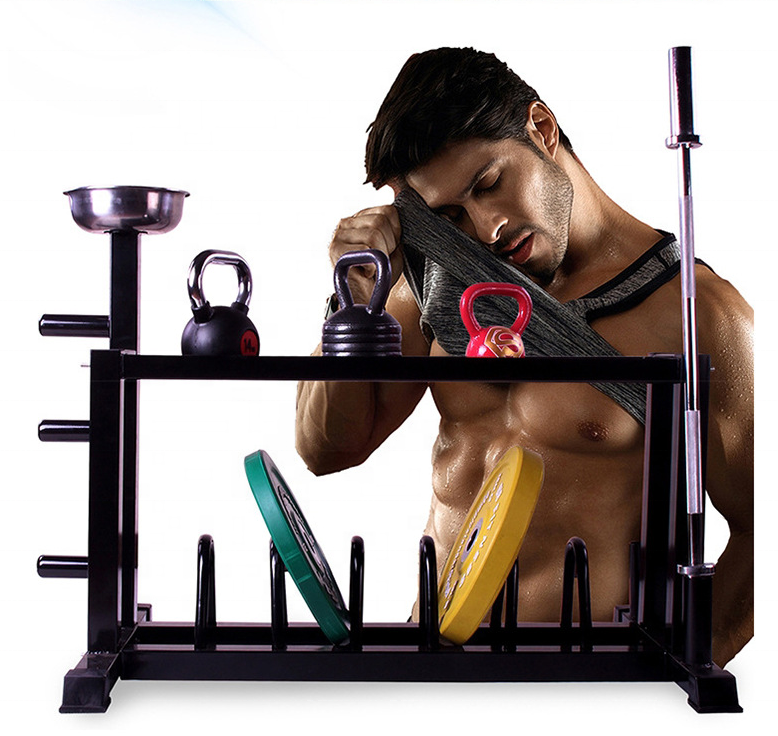
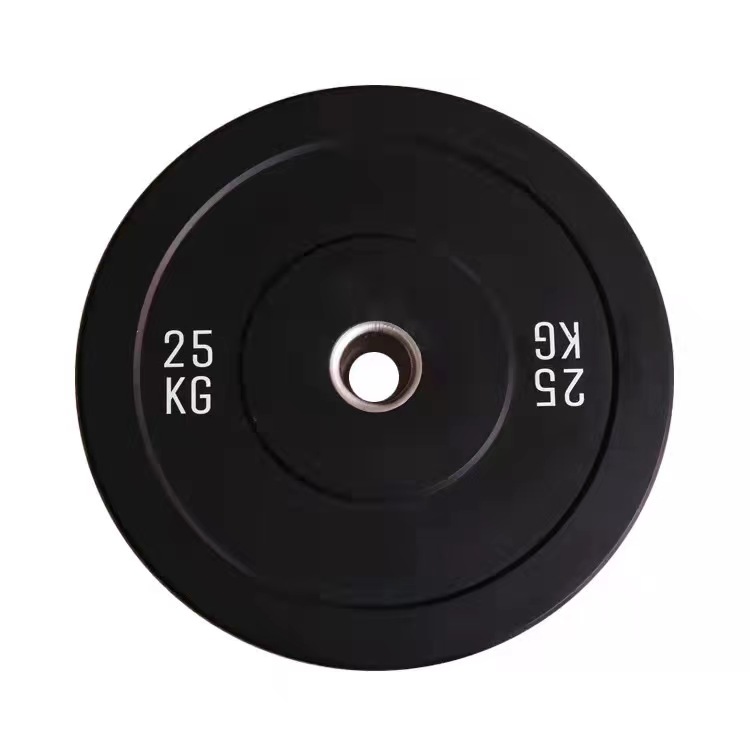
These eight product families support a complete free-weight floor: barbell bars, bumper plates, calibrated plates, collars, clubbells, sledgehammers, storage racks and home-use squat racks. Buyers can combine categories in one container, align finishes and branding, and reduce the coordination risk of using multiple suppliers.



What Makes a China Top Barbell Bar Manufacturer and Supplier Different?
The phrase China top barbell bar manufacturer and suppliers appears in many sourcing searches, but the products behind those listings are not equal. A barbell bar is a precision training tool. Its shaft diameter, tensile strength, knurling pattern, sleeve rotation, load rating and finish all influence how the bar feels, how long it lasts and whether it is suitable for commercial gyms, Olympic lifting clubs, home gyms or private-label retail programs.
For serious buyers, the real question is not simply “Who has the lowest quote?” It is “Which supplier can control the variables that affect total cost of ownership?” A bar that arrives with inconsistent sleeve rotation may create warranty complaints. A plate with an oversized centre hole may damage bar sleeves. A finish that looks correct in photos but fails in humid environments can undermine a brand’s reputation after the container has left the port.
Information gain: buy the system, not the item
When barbell bars, bumper plates, calibrated plates and collars are sourced from one factory, buyers can specify compatible centre-hole dimensions, tolerances, finish standards, packaging and branding in a single proforma invoice. This reduces the hidden cost of mixing suppliers and gives distributors a clearer quality baseline. Dingzhou Zeero Sports Goods Co., Ltd. supports this system-level approach through a 10,005 m² facility, 50+ skilled staff, 11+ years of export experience, SGS onsite assessment and finished product inspection procedures.
Commercial buyers should also ask for evidence: batch photos, coating adhesion checks, weight tolerance written into the order, centre-hole measurement reports and container loading photos. These details are more useful than generic “high quality” claims because they create a verifiable record before shipment. For OEM and ODM projects, request artwork confirmation, pre-production samples and packaging approvals so that the final product matches the buyer’s brand promise.

Recommended Barbell Bar and Free-Weight Combinations
These product recommendations are organized by buyer type rather than by catalogue page. The objective is to help importers, gym operators and private-label brands build a coherent order that is easier to inspect, market and reorder.
Commercial Olympic Strength System
Pair a 20 kg Olympic barbell bar, rated up to 700 lb in the original bar series, with calibrated rubber bumper plates, aluminum-buckle bar components and quick-release collars. This combination suits commercial gyms, CrossTraining boxes and strength clubs that need repeatable lifting performance and a professional look on the floor.
Specify bar shaft diameter, sleeve rotation preference, plate tolerance, colour coding and replacement-part availability. For multi-site gym chains, keep one approved finish and one branding standard across all locations.
Home Gym and Studio Starter Program
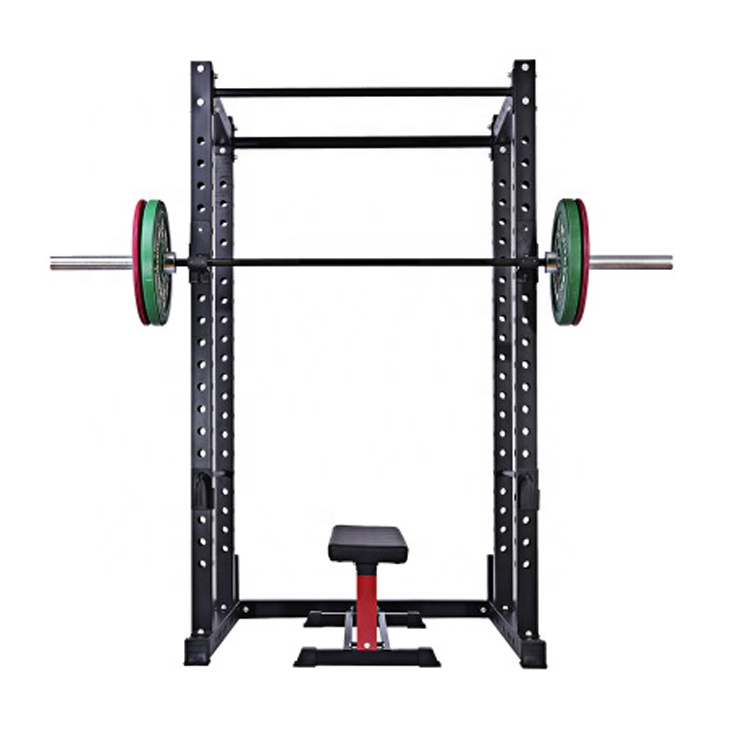
Combine colour rubber bumper plates, a home-use squat rack and quick-release barbell collars. This package is well matched to home-fitness retailers, boutique studios and e-commerce brands that want a compact strength offer without the complexity of a full commercial fit-out.
Buyers should plan carton dimensions, assembly instructions, hardware bags and retail labels at the same time as the product order. Mixed SKU containers can improve freight efficiency, while MOQ flexibility helps test new colours and sizes before a larger commitment.
Functional Training and Private Label
Build a branded functional-training offer with custom LOGO steel clubbells, black steel sledgehammers, multi-function gym storage racks and barbell-holder accessories. This range works for gyms adding conditioning zones, distributors serving sports-performance coaches and private-label brands seeking differentiated products.
Use one colour story and logo treatment across metal, rubber and storage items. Request packaging mock-ups early, because functional products often sell as a set and the unboxing experience can be as important as the hardware itself.
What Barbell Bar Buyers Will Prioritize in the Next Buying Cycle
Procurement is shifting from “find the cheapest supplier” to “build a resilient product program.” The most competitive buyers are comparing landed cost, documentation, reorder speed and brand flexibility rather than unit price alone.
Consolidated Vendor Programs
Importers are reducing the number of suppliers they manage for plates, bars, collars and storage. A single qualified factory can align specifications, simplify inspection and combine products in one container. This is especially valuable for distributors that sell complete gym packages rather than isolated SKUs.
Compliance-First Purchasing
Buyers increasingly ask for onsite verification, inspection records, written weight tolerances and clear packaging standards. SGS assessment, finished product inspection and supplier assessment procedures are becoming part of the commercial conversation, not just marketing badges.
Smaller Tests, Faster Reorders
The MOQ structure matters. Barbell bars can start from 2 pieces, stainless dumbbells from 100 kg, kettlebells from 10 kg and adjustable dumbbell sets from 5 sets in the original product guide. These starting points let buyers test a market, validate packaging and then scale successful SKUs with less inventory risk.
Packaging and Landed-Cost Engineering
Heavy free weights are expensive to move. Export packing, pallet configuration, carton strength and mixed-SKU loading all affect damage rates and freight cost. A supplier that understands sea freight can help buyers protect margins through better container planning and clearer loading documentation.
How Barbell Bars and Strength Equipment Are Evolving
Product development is being shaped by hybrid training environments, higher expectations for finish quality and the need to support both commercial and home-gym buyers from one manufacturing platform.
Stainless and Hybrid Finishes
304 stainless steel continues to grow in premium studios, hotel gyms and humid climates because there is no painted or rubber coating to chip, peel or retain odour. For value-focused ranges, zinc, chrome and black-oxide finishes remain relevant when buyers understand the maintenance trade-offs and specify the right use case.
Quieter, Low-Odour Rubber Systems
Commercial gyms and residential fitness spaces are paying closer attention to noise, smell and floor protection. Rubber bumper plates, tri-grip coated plates and calibrated plates with stainless inserts are evolving to deliver better drop tolerance, cleaner branding and more consistent batch appearance.
Space-Aware Storage and Racks
Home gyms and boutique studios need equipment that stores efficiently without looking industrial. Multi-function storage racks, barbell holders and compact squat racks are becoming part of the same purchase decision as bars and plates, creating opportunities for bundled offers and stronger average order value.
Why Zeero Sports Is a Reliable China Barbell Bar Manufacturer and Supplier
Dingzhou Zeero Sports Goods Co., Ltd. combines factory control, export experience and customization capability. The evidence below is drawn from the company profile and product information originally published on the website.
SGS-Verified Manufacturer & Trading Company
The 10,005 m² facility, production lines and quality procedures have been assessed onsite by SGS. Buyers can therefore discuss factory capability, QC procedures and export coordination with a verified manufacturer and trading company.
11+ Years of Export Experience
More than a decade of export work has built practical knowledge in heavy-goods packing, container loading, documentation and communication with gym chains, importers and private-label brands across multiple markets.
50+ Skilled Staff
A team of 50+ employees includes production staff, engineers, QC inspectors and export specialists. This supports consistent communication from sample approval through mass production and final shipment.
8 Awarded Patents
In-house structure and process development is supported by 8 awarded patents. For ODM buyers, this signals a partner that can discuss new structures, finishes and product ideas rather than only copy existing catalogue items.
OEM / ODM and Brand Customization
Logo, colour, graphic and packaging customization are available, together with ODM development for new designs. Artwork and samples can be confirmed before mass production so that the brand promise and the finished product remain aligned.
Finished Product Inspection
Every batch passes finished product inspection covering weight, coating adhesion, centre-hole diameter and appearance. Acceptable weight tolerance is agreed in writing on the proforma invoice, reducing ambiguity before shipment.
Match the Bar, Plate and Finish to the Training Environment
The bars below are illustrative buyer-fit indicators, not laboratory test results. Use them to structure a specification conversation with your supplier, then confirm final requirements in the proforma invoice.
Commercial Gym Durability
Stainless, chrome or durable rubber systems reduce replacement risk in high-traffic free-weight areas. Specify bar load rating, plate tolerance and collar retention.
Hotel and Premium Studio Look
304 stainless steel, clean logo engraving and consistent colour coding create a showroom appearance with lower maintenance in humid or coastal environments.
Olympic Lifting Drop Tolerance
Calibrated rubber bumper plates, correct centre-hole sizing and compatible collars matter when plates are dropped repeatedly in training and competition-style sessions.
Home Gym and Retail Compactness
Colour bumper plates, quick-release ABS collars, compact squat racks and storage accessories can form a retail-friendly bundle with simpler installation and lower freight volume.
From Factory Floor to Container Loading
Visible production capability, warehouse operations and export packing support a more reliable buying process. The original site images below show the type of factory and shipment environment buyers can evaluate during supplier qualification.


Frequently Asked Questions From Barbell Bar and Gym Equipment Buyers
Is Zeero Sports a manufacturer or a trading company?
What is the minimum order quantity for barbell bars, plates and other products?
Can you add my logo, colour or retail packaging?
How do you control weight accuracy and finish quality?
How are heavy free weights packed for export?
Which barbell bar finish should I choose for my market?
Can I combine bars, plates, racks and functional products in one order?
Build a Better Barbell Bar Program with Factory-Direct Support
Send your target products, quantities, finish requirements and destination port. The export team can reply with product recommendations, specification options, packing details and a production plan for your next order.
Inquire Now OEM / ODM · SGS-Verified Factory · 11+ Years Exporting