A gym’s reputation is built one workout at a time. Members notice when a treadmill runs smoothly, a cable moves evenly, and dumbbells are easy to find. They also notice the opposite. A broken belt or unstable bench can interrupt training and weaken confidence. Quality Fitness Equipment supports safer, more consistent sessions, though no machine can replace proper instruction or regular maintenance.
The Health & Fitness Association’s 2024 Global Report estimated that 184 million people belonged to health clubs worldwide in 2023, with industry revenue reaching $96.7 billion. Those figures point to a large, competitive market where the everyday member experience matters. Equipment is part of that experience. Reliable machines can help gyms manage busy hours, serve different fitness levels, and reduce avoidable downtime. Small details count: clear adjustment labels, secure weight pins, and upholstery without tears.
Still, “premium” does not automatically mean “right.” A boutique studio may need different equipment from a community gym, and even durable machines require inspections. That is worth admitting. Purchasing decisions should consider member needs, service support, warranties, and the cost of repairs—not just the showroom finish. In this article, we’ll look at why equipment quality matters and what gym owners should evaluate before investing. Practical choices make a difference.
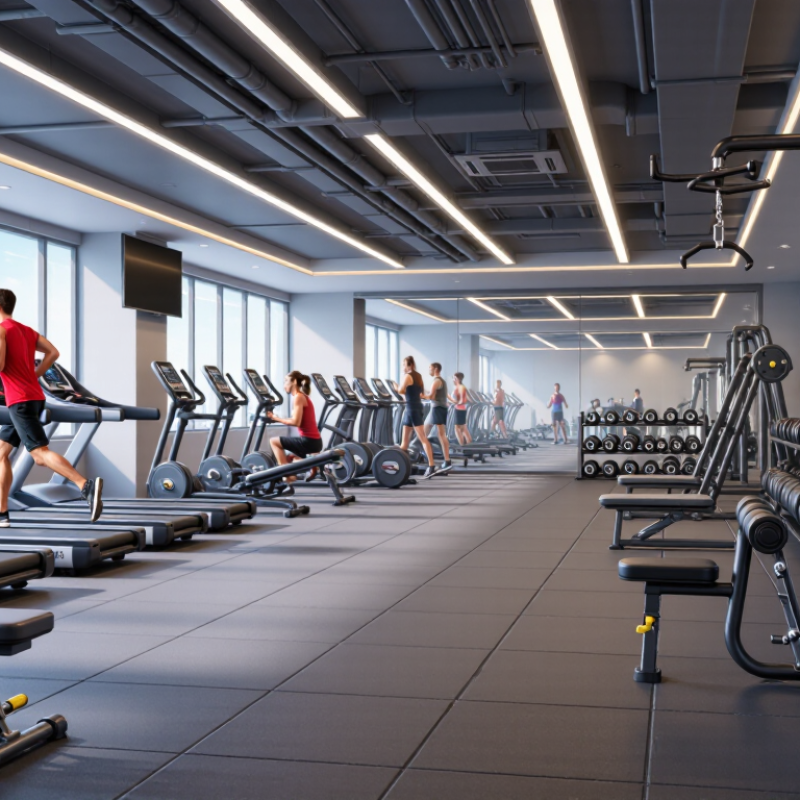
What Defines Quality Fitness Equipment?
Quality fitness equipment is defined by safe movement, stable construction, useful adjustability, and dependable maintenance—not by a large screen. A treadmill should feel steady at walking speed, with a clear emergency stop and controls within reach. A strength machine should adjust smoothly and let members move without awkward joint positions. Welds, cables, upholstery, and floor contact points deserve regular inspection. Small defects can become daily frustrations.
The ACSM 2024 Worldwide Survey of Fitness Trends ranked wearable technology as the leading trend among fitness professionals. That finding points to growing interest in tracking, but data features cannot replace sound mechanics. A gym’s equipment should suit its members, from beginners learning a controlled squat to experienced lifters training under heavier loads. It should also be serviceable: parts, maintenance instructions, and repair support matter. No machine fits everyone perfectly; even a well-built model may feel wrong for some body types.
Tips: Test equipment at realistic settings before purchase. Check frame movement, adjustment locks, cable travel, and emergency controls. Ask staff to record inspections and recurring faults. Keep notes. A simple log can reveal patterns that a quick visual check misses.
How Equipment Quality Supports Safety and Effective Training
Reliable equipment protects members during ordinary, repetitive movements. A loose cable can jerk under load; a shifting bench can spoil a controlled press. Small details matter. The U.S. Consumer Product Safety Commission’s National Electronic Injury Surveillance System has estimated roughly 400,000 emergency-department visits involving exercise equipment in some recent years. That figure covers many equipment types and does not show that poor equipment caused every injury. It does, however, underline why gyms should inspect frames, fasteners, cable wear, guards, and adjustment pins regularly.
Quality also makes training more consistent. Stable machines, clear load markings, and smooth resistance help members maintain controlled movement instead of compensating for sticking parts. ASTM International’s F2115 specification sets safety and performance requirements for motorized treadmills, offering gyms a technical benchmark when assessing this equipment. Staff should still check machines in person; a standard is not a substitute for maintenance. I would not treat a polished finish as proof of safety. A short inspection log, prompt repairs, and clear instructions for seat and load adjustments can prevent avoidable hazards. Even so, staff sometimes miss wear hidden inside a cable housing, so scheduled professional servicing matters too.
Which Features Distinguish Reliable Gym Equipment?
Reliable gym equipment feels stable before it feels impressive. On a strength machine, the frame should stay still when a user changes direction, and the seat should not shift under load. Welds should look even, adjustment pins should lock fully, and cables should move without scraping. Small details matter. A loose handle can turn an ordinary set into a distracting one.
Good equipment also fits the people who use it. Clear adjustment markings, accessible controls, and a useful range of motion help beginners and experienced members share the same floor. On treadmills, check that the belt tracks centrally and the emergency stop responds quickly. On benches, look for firm padding and feet that do not rock on level flooring. These checks are practical, not glamorous. They can also be missed during a quick showroom visit.
Durability depends on more than thick steel. Bearings, upholstery, and moving joints all wear, so parts should be serviceable and routine inspections straightforward. Ask for load ratings, maintenance guidance, and replacement-part availability in writing. Then test the equipment during a realistic workout, not just a brief demonstration. One weakness: even a careful test cannot predict years of heavy use. Track repairs after installation, and reconsider equipment that repeatedly needs adjustment.
How Equipment Quality Affects Gym Operations and Member Experience
In a busy gym, equipment quality affects more than workout comfort; it shapes daily operations. A treadmill that starts reliably, tracks speed accurately, and has a steady belt needs fewer interruptions. That means fewer staff hours spent placing warning signs or answering complaints. Small details matter. Loose adjustment pins, rough cable movement, or unclear controls can slow a session and create avoidable safety concerns. When several stations are out of service, peak-hour traffic gathers around the remaining machines. Members notice. The front desk may hear about it before maintenance does.
Durable frames and replaceable wear parts can make maintenance planning more predictable, but no equipment is maintenance-free. Gyms still need inspection schedules, cleaning routines, and staff who can report unusual noise or movement. A simple log noting the machine, date, and symptom often helps technicians spot recurring problems. Better equipment can also support a more welcoming experience. Stable benches, readable weight markings, and smooth seat adjustments help new members feel less uncertain. Experienced lifters benefit too, because reliable settings make workouts easier to repeat. Still, “premium” does not automatically mean right for every floor plan or member group. A common planning mistake is choosing equipment for appearance while overlooking storage space and repair access. That deserves a second look. Choices work best when they reflect actual use, staff capacity, and the people who train there each day.
How Gyms Can Select and Maintain Fitness Equipment
Choosing equipment begins with member needs, not a glossy catalog. A compact gym may need space-saving machines, while a busy training floor needs durable, easy-to-adjust models. Measure doorways, floor space, and clearance around moving parts before ordering. Check weight limits, adjustment points, stability, and whether replacement parts are available. Let staff test the equipment with different body sizes. Small details matter. A seat that slips can disrupt a workout and create avoidable risk.
Maintenance starts with a routine people can actually follow. Wipe contact surfaces after use, and inspect cables, bolts, upholstery, and moving joints on a set schedule. Record problems with the date, machine, and action taken. A simple log helps staff spot repeated faults. Follow the manufacturer’s care instructions, and have qualified technicians handle repairs beyond routine checks. Do not keep a machine in service when a safety-critical part is damaged.
Busy gyms sometimes postpone inspections because everything still seems to work. That is a weak measure of safety. A frayed cable or loose pedal may look minor until it fails under load. Assign clear responsibility for checks, and remove questionable equipment from use until it is assessed. The process will not be perfect every week. Review missed checks, adjust the schedule, and make the next inspection easier to complete.
FAQS
A stable frame, firm seat, even welds, and fully locking adjustment pins build confidence. Small details matter.
Confirm the belt tracks centrally, speed stays accurate, and the emergency stop responds quickly. Test it under realistic use.
Check firm padding and feet that do not rock on level flooring. A quick showroom glance can miss problems.
Readable weight markings and accessible adjustments help beginners use equipment with less uncertainty. Experienced members can repeat settings more easily.
No. Bearings, upholstery, and moving joints still wear. Schedule inspections, cleaning, and repairs.
Keep a simple log with the machine, date, and symptom. Unusual noise is worth recording.
Request load ratings, maintenance guidance, and replacement-part availability in writing. Repair access matters too.
Not necessarily. Consider floor space, storage, staff capacity, and who trains there. Appearance can distract from practical needs.
Not fully. Track repairs after installation and reconsider machines that repeatedly need adjustment. Even good checks have limits.
Conclusion
Quality Fitness Equipment is defined by its sturdy construction, dependable performance, thoughtful design, and suitability for a gym’s members and training goals. Well-made equipment supports safer, more effective workouts by providing stable movement, comfortable adjustments, and consistent resistance, helping members exercise with confidence and good technique. Durable materials, clear controls, ergonomic features, and accessible maintenance points are among the qualities that distinguish reliable equipment.
Equipment quality also affects daily gym operations and the member experience. Reliable machines can reduce interruptions, maintenance demands, and replacement costs, while a well-organized selection helps members train comfortably across different fitness levels. Gyms can make informed choices by considering available space, expected use, safety features, ease of maintenance, and member needs. Regular inspections, prompt repairs, and routine cleaning help keep Fitness Equipment dependable and ready for use. Together, thoughtful selection and consistent care support a safer, more welcoming training environment.